
Among Trump's kills: A Biden-ordered study on nature, forests and wildfires
A month after the Los Angeles disaster, the Ignoramus-in-Chief put a stop to a report on the causes and prevention of climate-driven wildfires

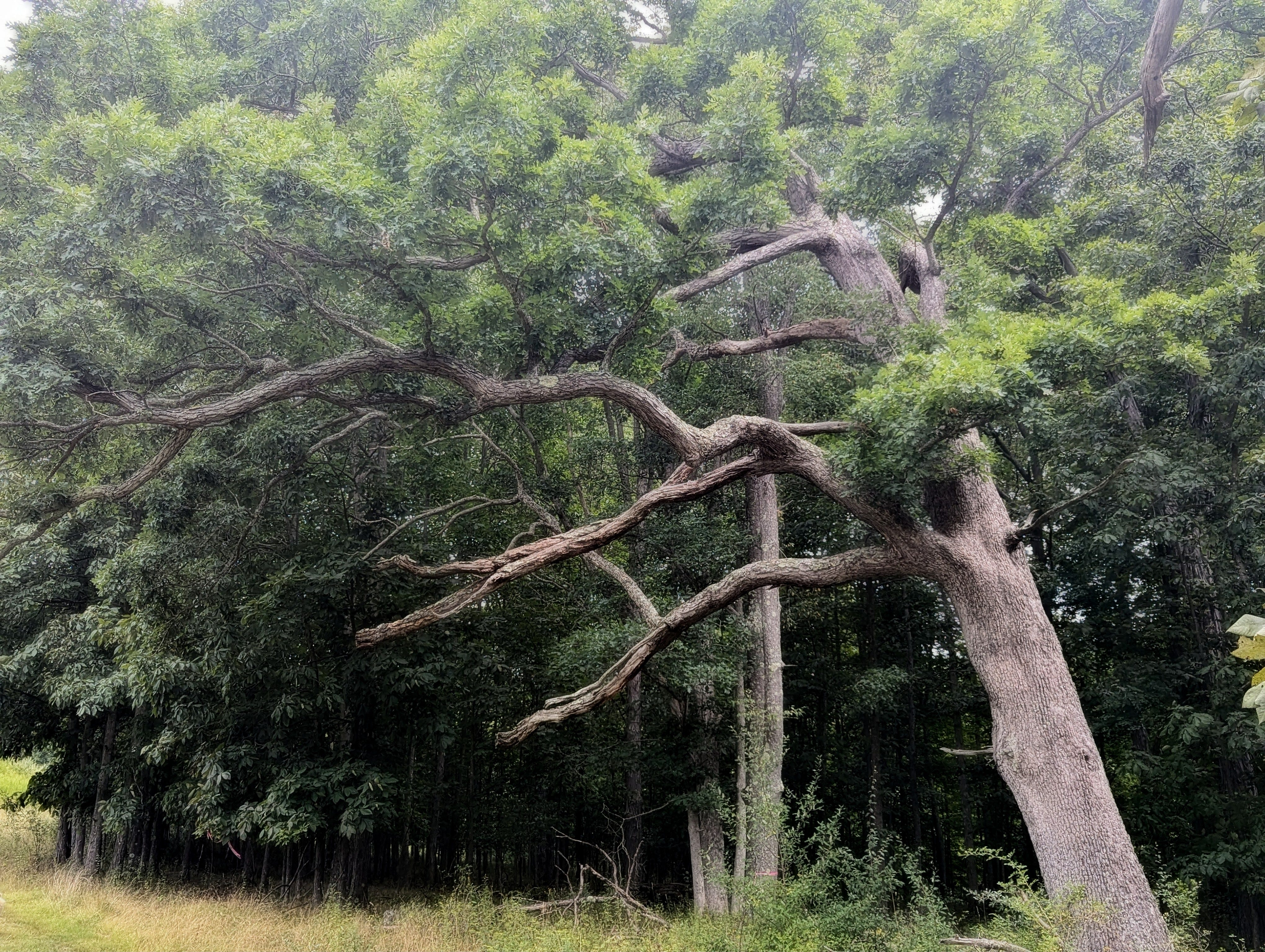
If, at this point in our national nightmare, you need further evidence of Trump’s mindlessness, pettiness, randomness and wantonness, I give you his revocation of Biden Executive Order 14072 (“Strengthening the Nation’s Forests, Communities and Local Economies.”)
Estimated economic losses from the winter wildfires in Los Angeles now stand at more than $250 billion, and that includes a loss of $297 million in income for local residents. But not even those staggering facts kept Trump from killing a comprehensive federal study on the causes and prevention of wildfires. It’s among his many “accomplishments” since taking office again.
Trump is not about solving problems, he’s about settling grievances.
Biden’s order, signed in April 2022, called on the secretaries of agriculture and the interior “to jointly pursue wildfire mitigation strategies [and] to confront a pressing threat to mature and old-growth forests on Federal lands: catastrophic wildfires driven by decades of fire exclusion and climate change.”
Biden had ordered the secretaries to “coordinate conservation and wildfire risk reduction activities.”
Trump, of course, is conducting a purge of Everything Biden, and specifically anything that acknowledges the existence of climate change. His executive orders seek to erase all that makes our Ignoramus-in-Chief uncomfortable. Trump’s orders erase climate change, the threat of communicable diseases, concerns about racial discrimination and the actual existence of people who are transgender.
Wildfires? Not a problem. Saving forests? Not a concern.
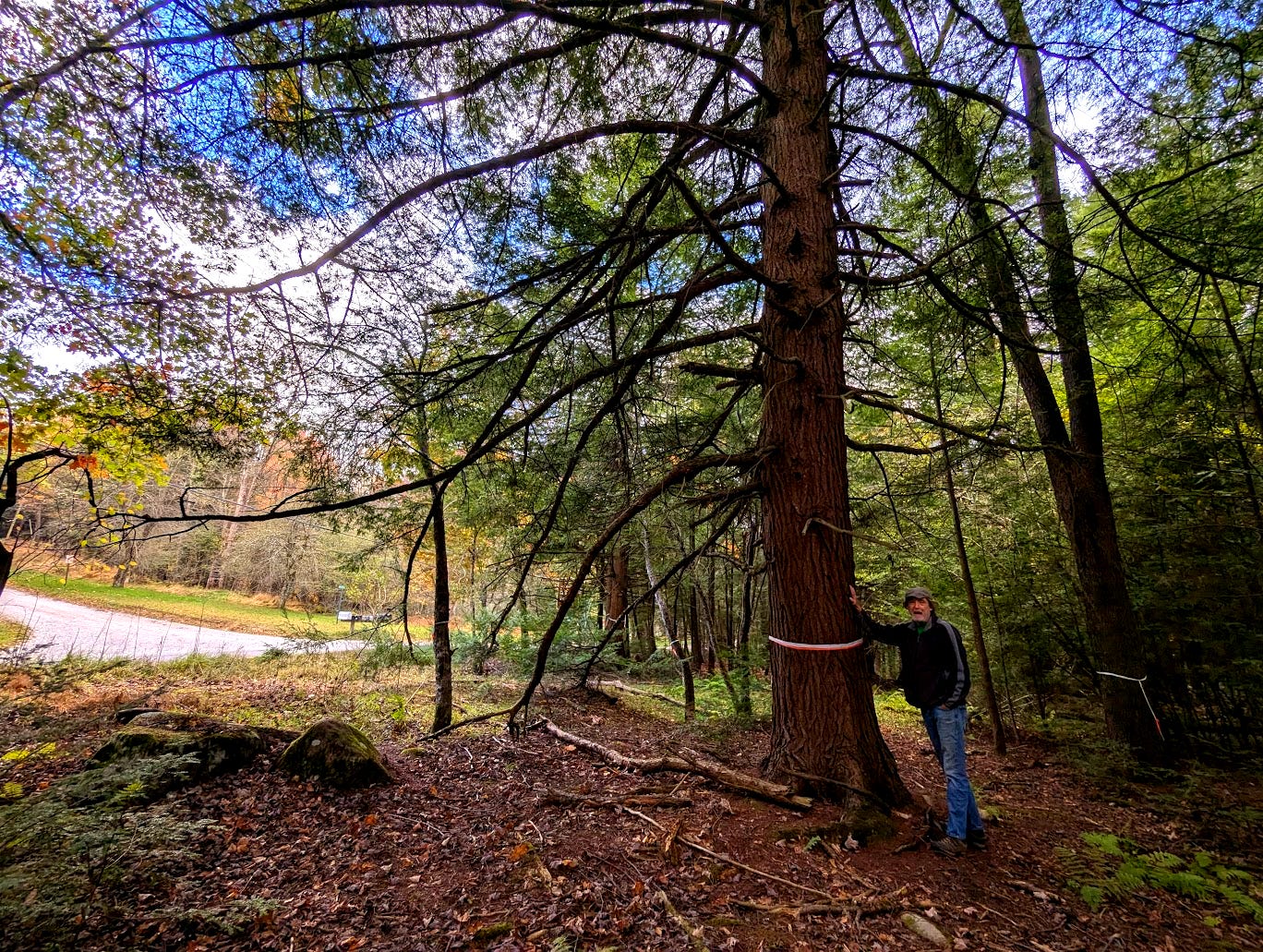
Biden, on the other hand, gave a big hug to trees for absorbing more than 10% of U.S. greenhouse gas emissions. As his April 2022 executive order put it: “Conserving old-growth and mature forests on Federal lands while supporting and advancing climate-smart forestry and sustainable forest products is critical to protecting these and other ecosystem services provided by those forests.”
Included in Biden’s order was, for the first time, a National Nature Assessment (NNA), involving 150 scientists and other experts in the formulation of a report on all aspects of nature across the nation. The report was due to be issued this month, but Trump put a stop to that, too.
I spoke to one of the report’s authors, Erle Ellis, a professor of geography and environmental systems at the University of Maryland, Baltimore County. He’s an expert in land use.
Trump’s blocking of the report, he said, “is very in line with what's going on in Washington for two reasons: One is that the NNA was an act of Joe Biden, and I think everything that Joe Biden initiated was deleted by Trump. And then, of course, the subject area is uncomfortably close to another subject that's on the chopping block, which is climate change — even though that's not really the focus of the NNA. We're part of the Global Change Research Program, which of course, produces the natural National Climate Assessment, which is exactly the kind of thing Trump would like to eliminate.”
To support his moronic push for more fossil fuels, Trump wants to erase knowledge of the climate threat, though that’s pretty much impossible; our knowledge of it is well established.
“Some of the content in [the NNA] is, more or less, documented information,” Ellis says. “It was mostly a matter of just putting it together and presenting it well.”
Ellis serves as director of UMBC’s Anthroecology Lab. His focus is how humans can better use land in ecologically healthy and sustainable ways. That was the focus of his contribution to the NNA, an area generally described as “opportunities for America's nature.”
Americans, he says, have a common interest in having a better future for the nature that we live with and depend on.
“And so that was the great hope of [the NNA],” he says, “that we could build some narrative and some science about what the opportunities are, rather than just talking about what the failures have been and why we're in trouble.
“I've done a fair amount of work recently with trying to incentivize social action to address environmental challenges,” he says, “to try to turn the narrative about [climate] change away from the classic narrative that we hear all the time, that we have to stop a disaster from unfolding, and, rather, put it on the other foot: What can we do? How can we succeed?”
How?
I have an unscientific answer to that question: For starters, elect enough Democrats in 2026 to give them majorities in the House and Senate, wresting legislative power from do-nothing, spineless Republicans. That would be the first step toward reversing Trump’s mindlessness, pettiness, randomness and wantonness.
Thanks, Dan.
Dan, I appreciate your articles and how you don't mince words. My frustration from reading columns like yours and others is that I feel angry and still powerless to do anything about it. I know I can call my senators and representative. The challenge lies in what to say/ask of them. For example, on this topic, what words would make a difference on this topic of revocation of Biden Executive Order 14072 when I call my senator? It's not something that my senator is going to vote on.
Therefore, I put forth this challenge to you: End each of your essays with a call to action--a suggested action and the sample words. I'm happy to call senators/congressmen (even those who are not my own), I just need help forming a message that will make a difference.